
Overview
To ask for a salary increase, choose a good moment, such as shortly after a strong performance review or a finished project, and back your request with market salary data and a written list of your results. Ask for a specific figure or range in a private meeting with your manager, answer objections with evidence, and follow up in writing. If the answer is no, ask what it would take to earn the increase and agree on when to revisit it.
Key Highlights:
- Optimal timing for a salary increase request includes after performance reviews, during company growth, after project completions, or following personal milestones.
- Research salary benchmarks to understand your market value and prepare data on your accomplishments to support your request.
- Align your contributions with company goals to strengthen your case for a salary increase.
- Practice articulating your request confidently and clearly, using positive language and maintaining professionalism.
- Listen actively and acknowledge your manager’s concerns during salary discussions to foster constructive dialogue.
- Be prepared to provide counterarguments with data if objections arise, and seek feedback if your request is denied to improve future negotiations.
- Avoid asking during high-pressure periods, such as critical project deadlines or organizational crises.
- Set a specific target figure or range before the meeting, based on your research.
- After the conversation, send a thank-you email, confirm next steps and get any approved change in writing.
- Book a dedicated meeting at a time when your manager can give the conversation their full attention.
Introduction
The five steps below cover when to ask, how to build your case, what to say, how to handle objections, and how to follow up afterward, including what to do if a raise is not approved right away.
Choose the Right Time to Ask for a Salary Increase
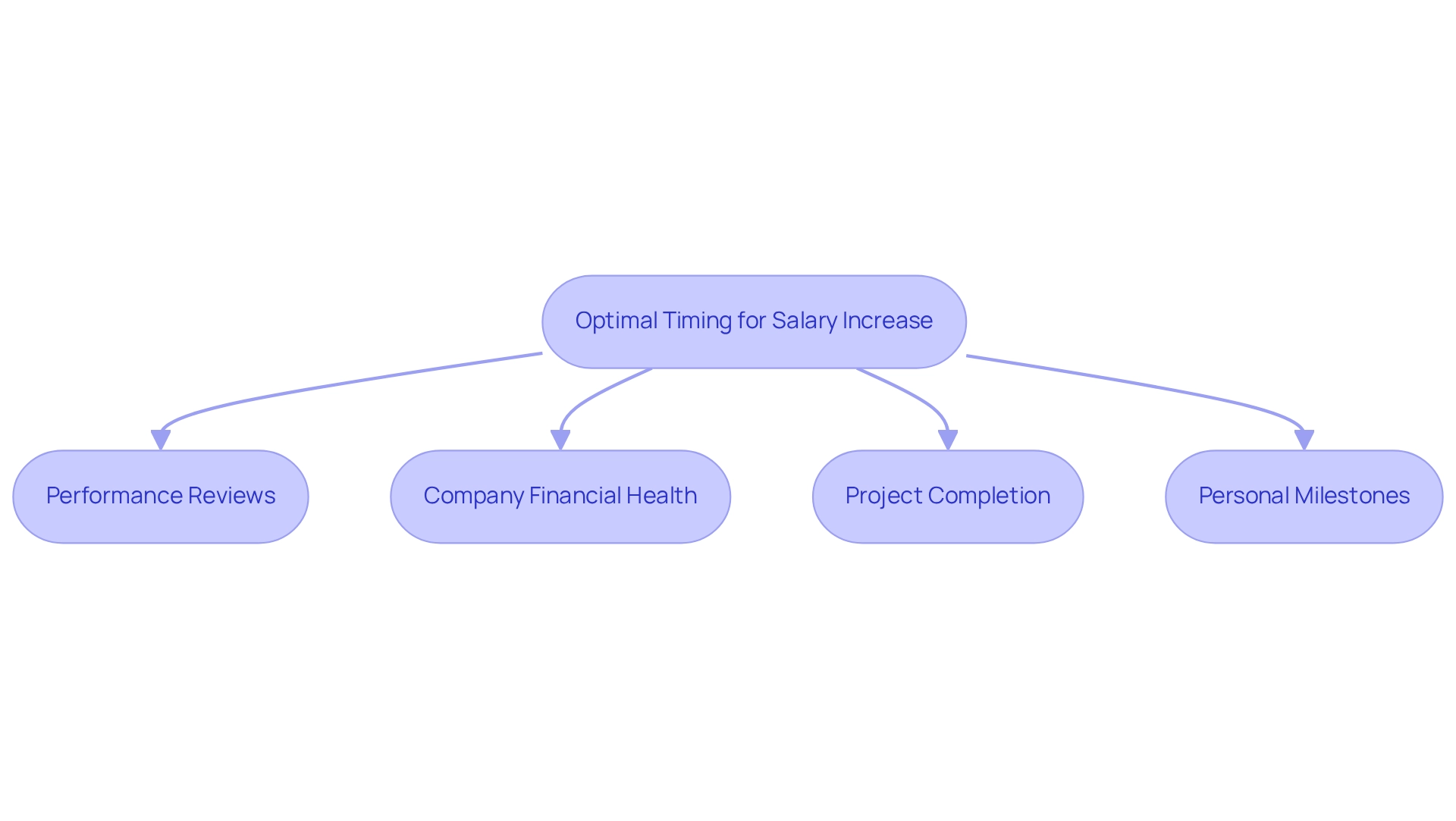
To effectively approach asking for a salary increase, identifying the optimal timing is crucial. Consider the following strategies:
- Performance Reviews: Timing your request shortly after a positive performance review can be advantageous, as your contributions will be fresh in your manager’s mind. This is a prime opportunity to highlight your achievements and discuss your value to the team.
- Company Financial Health: Understanding your company’s financial situation is essential. If the organization is experiencing growth or profitability, it presents a favorable context for salary discussions.
- Project Completion: Successfully completing a significant project can serve as a strong foundation for your appeal. Use this achievement to demonstrate your impact and the value you bring to the organization.
- Personal Milestones: Reflect on your own professional milestones, such as obtaining a major certification or taking on additional responsibilities. These achievements can strengthen your argument for asking for a salary increase, and by strategically choosing the appropriate moments for your appeal, you improve the chances of a positive result. Additionally, if an employer initially denies your request, consider using the feedback to improve and establish a timeline to revisit the discussion, ensuring you remain proactive in your pursuit of fair compensation.
- Avoid High-Pressure Periods: Skip critical project deadlines and organizational crises. Requests made during these periods are more likely to be set aside or met with resistance.
- Consider Your Manager’s Schedule: Don’t catch them in a busy moment. Book a dedicated meeting at a time when they can give the conversation their full attention.
Prepare Your Case with Salary Data and Accomplishments
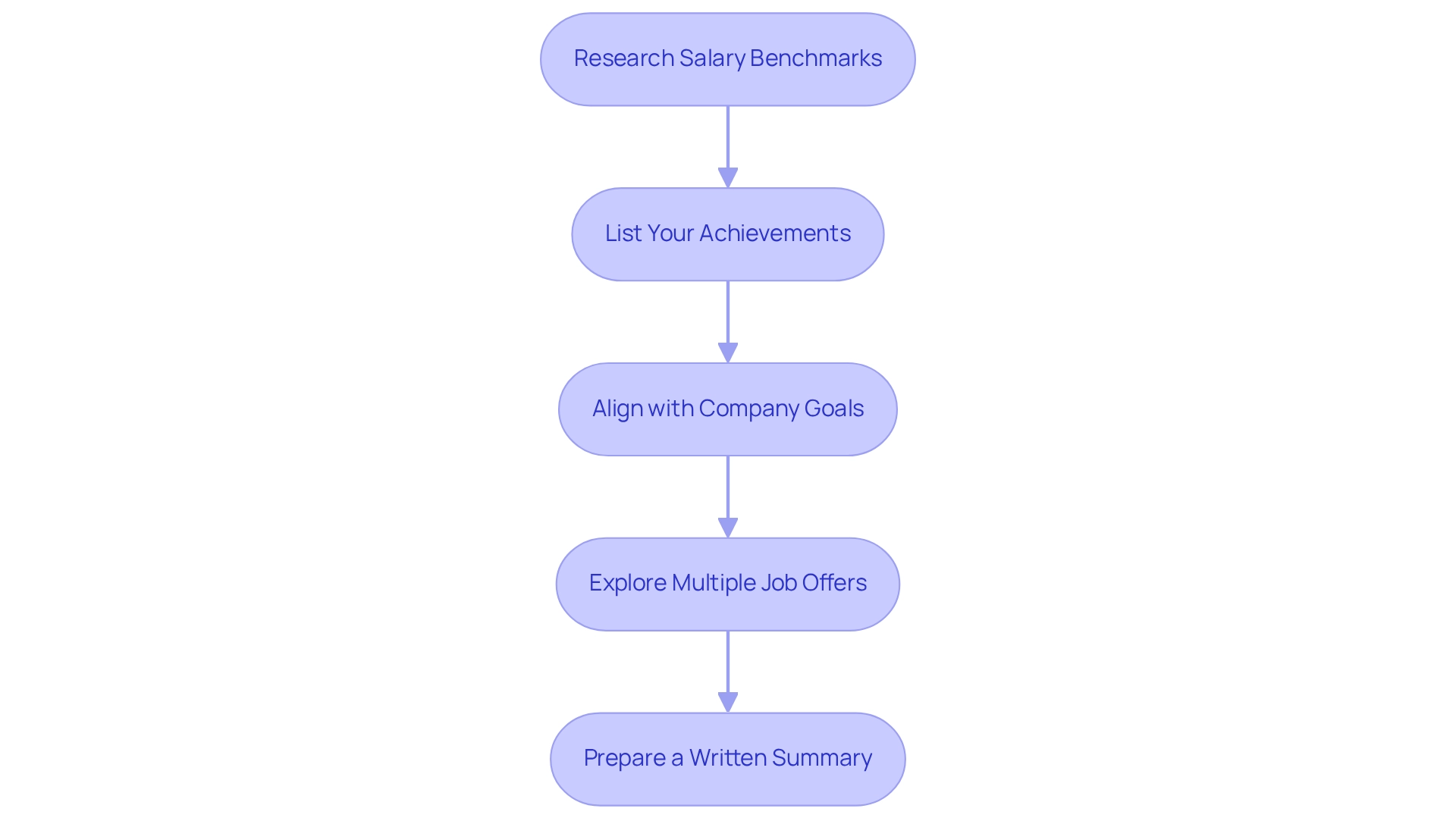
Preparation is crucial for effectively asking for a salary increase, and it begins with gathering relevant data and documenting your accomplishments.
- Research Salary Benchmarks: Utilize Boutique Recruiting’s comprehensive Salary Guides to determine the average salary range for HR managers in 2025, which typically falls between $140,000 and $200,000, depending on industry and location. These guides provide valuable insights into competitive compensation across key California markets, ensuring you have the most accurate data at your fingertips.
- List Your Achievements: Compile a comprehensive list of your contributions, highlighting successful projects, revenue generated, and any awards received. Quantifying your achievements is essential; for example, stating, “Increased sales by 20% over the last quarter” provides concrete evidence of your impact.
- Align with Company Goals: Illustrate how your work supports the company’s objectives. If you have implemented strategies that enhance efficiency, detail how these improvements contribute to the organization’s overall success. This alignment not only strengthens your case but also demonstrates your commitment to the company’s mission.
- Compare Several Sources: Check salary sites such as Glassdoor and PayScale, industry reports, and Bureau of Labor Statistics wage data for your role and region.
- Note Added Responsibilities: If your role has grown since your last pay review, list the new tasks you have taken on.
- Gather Feedback: Save positive feedback from colleagues and supervisors that speaks to your contributions.
- Set a Target Range: Use your research to settle on a specific figure or range before the meeting, so you have an answer ready when your manager asks what you have in mind.
- Prepare a Written Summary: Create a concise document that encapsulates your research and accomplishments. This summary will serve as a useful reference during your discussion, ensuring you express your worth effectively.
Effective preparation not only boosts your confidence but also enhances your outcomes when asking for a salary increase.
Articulate Your Request Clearly and Confidently
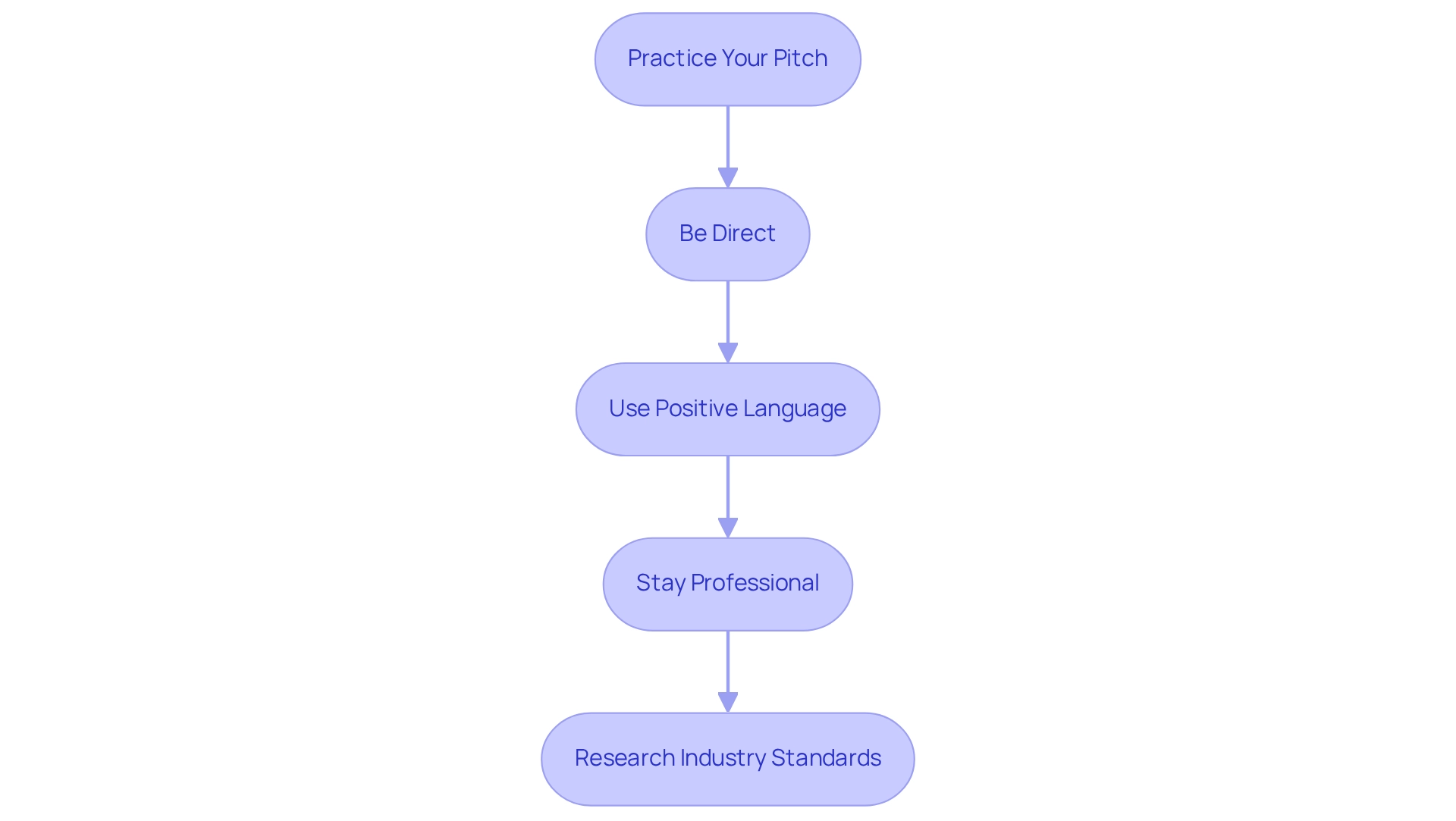
When it’s time to make your request, follow these steps:
- Practice Your Pitch: Rehearse your message, ideally with a trusted colleague or mentor, so you sound confident and well-prepared.
- Be Direct: Initiate the conversation by clearly stating your need. For example, express, “I would like to discuss asking for a salary increase based on my contributions to the team.”
- Use Positive Language: Frame your appeal in a constructive manner. Instead of stating, ‘I deserve a raise,’ think about expressing, ‘I believe my contributions justify a review of my current compensation.’ This positive framing can help create a more collaborative atmosphere.
- Stay Professional: Maintain professionalism throughout the discussion, regardless of the response. This approach not only reflects well on you but also sets a respectful tone for the conversation.
Articulating your request while asking for a salary increase with clarity and confidence is crucial. Therefore, it’s essential to compare your compensation with industry standards and peers to assess if you are underpaid. By employing these strategies, you can effectively communicate your value and enhance your chances of a favorable outcome.
Handle Objections and Responses Gracefully
When confronted with objections during compensation discussions, employing effective strategies can significantly enhance outcomes. Consider these key approaches:
- Listen Actively: Demonstrating respect and understanding is essential. Pay close attention to your manager’s concerns without interruption, fostering a constructive dialogue.
- Acknowledge Their Points: Validating your manager’s concerns helps build rapport. For instance, you might say, “I understand that budget constraints are a concern,” which illustrates your recognition of their perspective.
- Understand Their Constraints: Ask what is behind any hesitation, such as budget timing or performance expectations, so you can respond to the actual concern.
- Provide Counterarguments: Equip yourself with data to effectively counter objections. If budget issues arise, emphasize how your contributions have positively impacted revenue or operational efficiency, reinforcing your value to the organization.
- Stay Open to Discussion: If your request is initially denied, seek constructive feedback on how to position yourself for a future increase. This demonstrates your commitment to personal and professional growth.
Handling objections with grace can transform a challenging conversation into a stepping stone for future negotiations. By applying these strategies, you can navigate objections more effectively and enhance your chances of asking for a salary increase.
Follow Up After the Conversation
After the meeting, take these steps:
- Send a thank-you email: Thank your manager for their time within a day, whatever the answer. It keeps the conversation open and gives you a written record that the request was made.
- Clarify next steps: If a decision was not made in the meeting, ask when you can expect one and who else needs to approve it.
- Get it in writing: If the increase is approved, confirm the new salary and the date it takes effect.
- Ask for feedback if the answer is no: Find out what you would need to show to earn the increase, and agree on a date to revisit the discussion.
- Discuss alternatives: If a raise is not possible now, ask about a bonus, additional benefits or professional development opportunities.
- Keep performing: Strong, steady work in the months after the conversation gives you more evidence when you raise it again.
Conclusion
Navigating salary negotiations effectively requires a strategic approach that encompasses timing, preparation, clear communication, and the ability to handle objections. Have you identified the right moment to ask for a raise? Timing can significantly increase the likelihood of a favorable outcome, especially after a positive performance review or upon completing a significant project. Understanding the financial health of the organization and leveraging personal accomplishments further bolster your case for a salary increase.
Preparation is equally vital. Researching salary benchmarks, documenting achievements, and aligning contributions with company goals equip you with the necessary tools to advocate for your worth confidently. Articulating your request with clarity and professionalism sets the stage for a constructive conversation, reinforcing the importance of positive language and directness.
Moreover, gracefully handling objections can transform potential setbacks into opportunities for growth. Active listening, acknowledging concerns, and providing well-researched counterarguments foster a collaborative atmosphere that benefits both parties. By applying these strategies, you not only enhance your chances of securing a salary increase but also develop essential negotiation skills that will serve you throughout your career.
Ultimately, advocating for fair compensation is a critical aspect of professional growth. By employing these techniques, you can confidently navigate the complexities of salary negotiations and ensure that your contributions are recognized and rewarded in today’s competitive job market. Are you ready to take the next step in your career?
Frequently Asked Questions
What is the importance of timing when asking for a salary increase?
Timing is crucial when asking for a salary increase, as it can significantly influence the outcome of your request. Choosing the right moment can help highlight your contributions and improve your chances of a positive response.
When is a good time to ask for a salary increase?
Good times to ask for a salary increase include shortly after a positive performance review, when the company is experiencing growth or profitability, after successfully completing a significant project, or following personal professional milestones such as obtaining a major certification or taking on additional responsibilities.
How can a performance review impact my salary increase request?
Timing your request shortly after a positive performance review can be advantageous because your contributions will be fresh in your manager’s mind, allowing you to effectively highlight your achievements and discuss your value to the team.
Why is it important to understand my company’s financial health before asking for a raise?
Understanding your company’s financial situation is essential because if the organization is experiencing growth or profitability, it creates a favorable context for salary discussions, increasing the likelihood of a successful request.
How can completing a significant project help my case for a salary increase?
Successfully completing a significant project can serve as a strong foundation for your appeal, demonstrating your impact and the value you bring to the organization, thus strengthening your argument for a salary increase.
What personal milestones should I consider when asking for a salary increase?
Personal milestones such as obtaining major certifications or taking on additional responsibilities can strengthen your case for a salary increase. Highlighting these achievements can improve your chances of a positive result.
What should I do if my initial request for a salary increase is denied?
If your request is initially denied, consider using the feedback provided to improve your performance and establish a timeline to revisit the discussion, ensuring you remain proactive in pursuing fair compensation.
What should I do after asking for a raise?
Send a thank-you email, ask when you can expect a decision, and get any approved change in writing, including the new salary and the date it takes effect.
What can I ask for if a raise is not possible right now?
Ask about a bonus, additional benefits or professional development opportunities, and agree on a date to revisit your salary.
When is a bad time to ask for a salary increase?
Avoid critical project deadlines and organizational crises, when requests are more likely to be set aside.
When should I schedule the meeting with my manager?
Book a dedicated meeting at a time when your manager is not under a heavy workload and can give the conversation their full attention.